Fence Lines and Field Edges Opened Back Up
Brush Clearing & Underbrushing in Waurika for fence lines and field edges where understory has grown thick enough to make walking or checking fences difficult
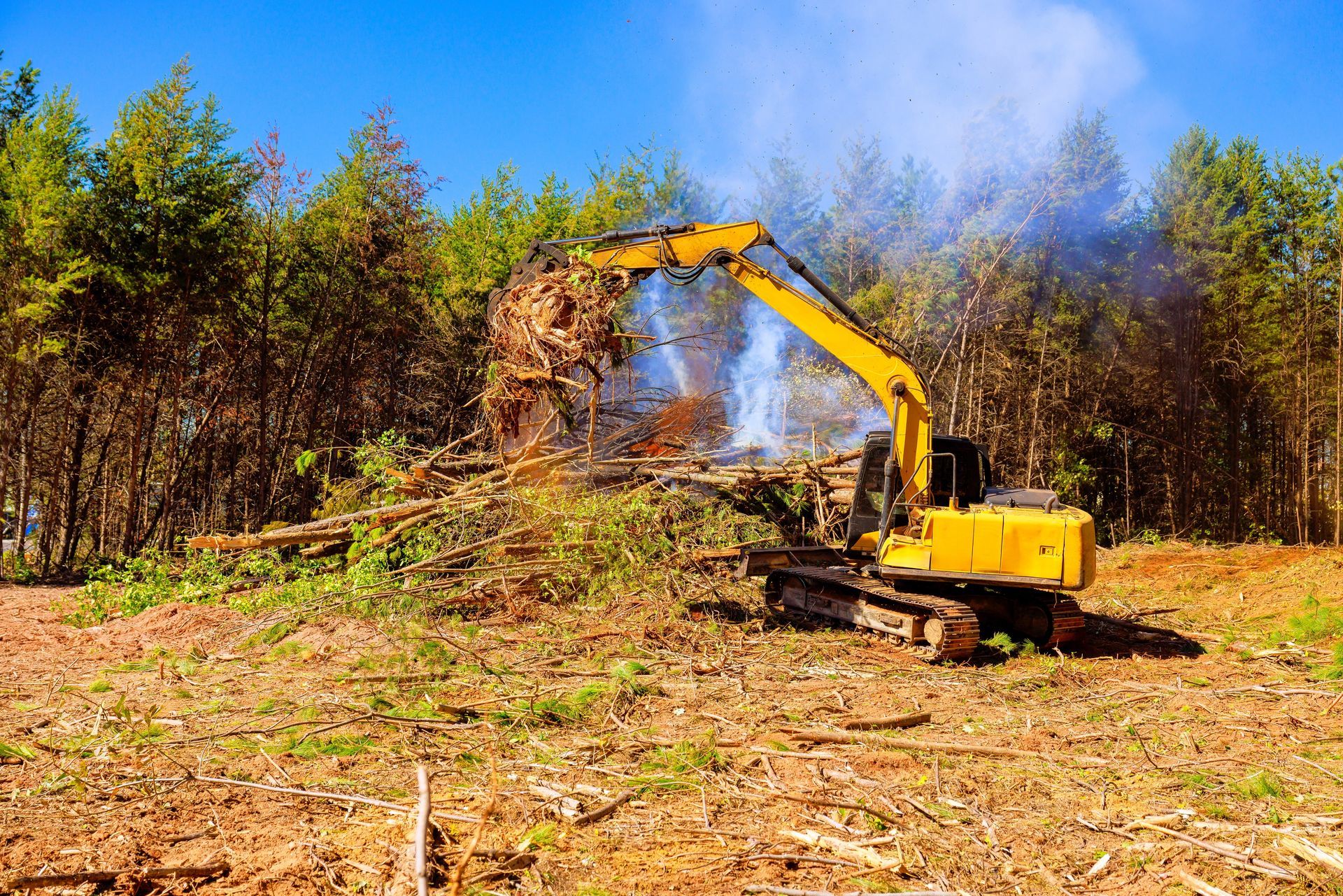
Fence lines, field edges and wooded pasture on older rural properties accumulate thick understory over time, making it difficult to walk the fence, check for breaks, or move livestock through the area. Saplings, briars and dense brush grow up between the trees you want to keep, blocking access and spreading into open ground. HX2 Forestry Mulching & Land Clearing cuts back thick understory and saplings to reopen fence lines, field edges and wooded pasture around Waurika, serving Lawton, Chickasha and Duncan with an owner-operated crew that handles the job with its own machinery.
The crew works through the underbrush with a skid steer and mulching head, leaving the larger trees you want to keep standing. Cut material is ground in place, so there is no brush pile to burn or haul off the property. The line of work is set at the estimate, which the owner walks with you before any equipment comes out, so only the growth you want removed is touched.
Request an estimate and property walk to mark the boundary and identify which trees remain standing while the underbrush is cleared.
Why Proper Underbrushing Leaves the Right Trees Standing
Underbrushing removes the saplings, briars and low growth that compete with mature trees and block access to fence lines, but it does not clear the canopy or remove the larger trees that provide shade and erosion control. The mulching head is sized to grind material up to a certain diameter, which means the crew can work through dense understory without damaging the trunks of the trees marked to stay during the estimate walk.
After the underbrush is cleared, the fence line or field edge is open enough to walk, and the ground is covered in a layer of mulch that suppresses regrowth of the same species that were just removed. Livestock can move through the area without getting tangled in briars, and you can see breaks in the fence or posts that need replacing without pushing through thick growth.
The same machinery used on the two-month, 2,000-acre mulching job west of Altus is used on smaller underbrushing jobs in Chickasha and Lawton, and the owner-operated crew brings its own skid steers and mulching head to every site.
Answers About How the Work Is Done
Most questions about underbrushing focus on what gets cleared, what stays standing, and what the ground looks like after the work is finished. The answers depend on the density of growth and the size of the trees you want to keep.
How does the crew know which trees to leave standing and which to clear?
The owner walks the property with you before any equipment arrives, marking the trees that stay and the line where the underbrush clearing stops. That walk sets the boundary, so the mulching head only touches the growth that was agreed on during the estimate.
What size material can the mulching head grind without damaging larger trees?
The mulching head is designed to grind saplings, brush and small trees up to about six inches in diameter. Material larger than that is either left standing or cut and hauled separately, depending on the scope agreed on during the estimate.
What happens to the mulch after the underbrush is cleared?
The mulch stays on the ground and decomposes in place, adding organic matter to the soil and suppressing regrowth of the same species that were just removed. The mulch layer also holds moisture, which helps native grasses reestablish along the cleared fence line or field edge.
Can underbrushing be done along a fence line without damaging the fence itself?
The skid steer is narrow enough to work close to the fence, and the mulching head is controlled to avoid contact with posts and wire. The crew works parallel to the fence line, clearing the growth on either side without pushing or pulling on the fence structure.
How soon after underbrushing can livestock be moved back into the cleared area?
Livestock can be moved back into the cleared area as soon as the work is finished, as the ground is firm enough to walk on and the mulch layer does not create mud or unstable footing. The cleared fence line is immediately accessible for repairs or maintenance.
HX2 Forestry Mulching & Land Clearing also performs brush clearing and underbrushing in Duncan, Chickasha, Comanche, Wichita Falls and Lawton. The owner-operated crew uses the same equipment on jobs from single fence lines to multi-acre field edges. Call (580) 656-7096 to schedule an estimate and property walk.