Water That Stays When You Need It
Pond Construction in Waurika for rural acreage requiring reliable livestock water
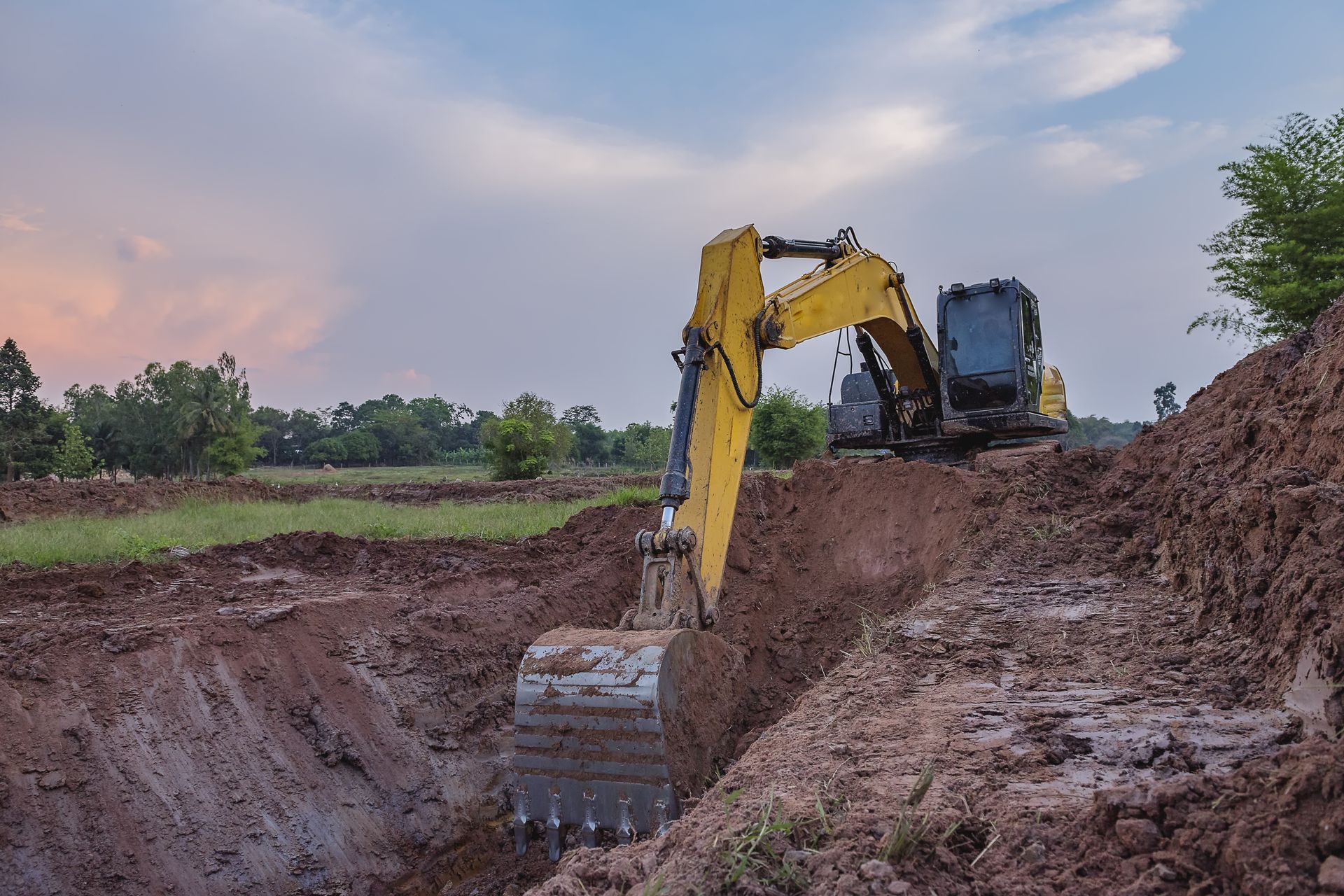
Older farm ground and acreage across Waurika often lack a reliable water source for livestock, and many existing ponds have lost capacity over time as silt settles in the basin. HX2 Forestry Mulching & Land Clearing Oklahoma builds new stock ponds and farm ponds throughout Waurika and Lawton, work the crew performs more frequently than nearly any other service. The owner operates the excavator and dozer himself, controlling every stage from site selection through final grading.
The work begins by selecting ground that will hold water—not every low spot qualifies—and the crew clears brush and trees from the site with the mulcher before excavation starts. The basin is dug and the embankment is built in lifts, with each layer compacted before the next is added, a step that prevents settling and leaks that show up months later. The dam is shaped to a profile that resists erosion, and the spillway is set so runoff leaves the pond safely without cutting into the embankment.
Schedule a site evaluation to confirm water-holding ground and embankment placement.
What Proper Pond Construction Requires
Building a pond that holds water year after year depends on compacting the dam in layers rather than piling dirt in a single pass. Each lift is tamped and settled before the next layer goes down, and the core of the dam is built from material that seals rather than drains. The spillway is cut and armored so overflow doesn't wash the embankment out during heavy runoff.
Once the basin and dam are complete, you'll notice the pond begins filling with the next significant rain, and the water line stabilizes below the spillway rather than draining back down into the soil. The embankment stays firm when you walk across it, and livestock can access the pond without the banks collapsing into the water.
The work includes site clearing with the mulcher, excavation of the basin, construction of the embankment in compacted lifts, and shaping the spillway. Seeding or rock armoring of the spillway may be quoted separately depending on site conditions and soil type.
Questions Before Starting Your Project
Landowners preparing for a new pond often ask the same questions about how the work is sequenced and what site conditions allow the pond to function as intended.
How is the pond site selected?
The crew evaluates the ground to confirm it will hold water, checking for clay content and subsurface drainage patterns, and avoids sites where sand or gravel layers will drain the basin faster than runoff can refill it.
What happens to brush and trees on the site before excavation?
Clearing is handled first with the forestry mulcher, grinding vegetation into mulch that stays on site, and the area is leveled so the excavator and dozer can move freely during pond construction.
Why is the dam built in layers instead of all at once?
Each lift is compacted before the next layer is added, which prevents voids and settling that would allow water to seep through the embankment, and older ponds built without this step often lose water or develop sinkholes in the dam years later.
What does the spillway do?
The spillway channels overflow away from the dam during heavy rain, preventing erosion that would cut into the embankment, and it's graded to a width and depth that handles typical runoff for rural acreage in Waurika without flooding the outlet area.
What will you notice once the pond is finished?
The basin holds water after the next rain event without draining back into the soil, the embankment remains stable when walked on or driven across, and the spillway carries overflow without washing gullies into the dam face.
HX2 Forestry Mulching & Land Clearing Oklahoma also builds ponds in Duncan, Chickasha, Comanche, Wichita Falls, and Lawton. The crew operates its own excavator and dozer on every job, and pond construction is one of the most frequent services the owner performs across rural properties in southern Oklahoma.