Pads Graded to Drain Before Construction Starts
Excavation & Dirt Work in Waurika for rural lots where a new home, shop or septic system needs a level pad
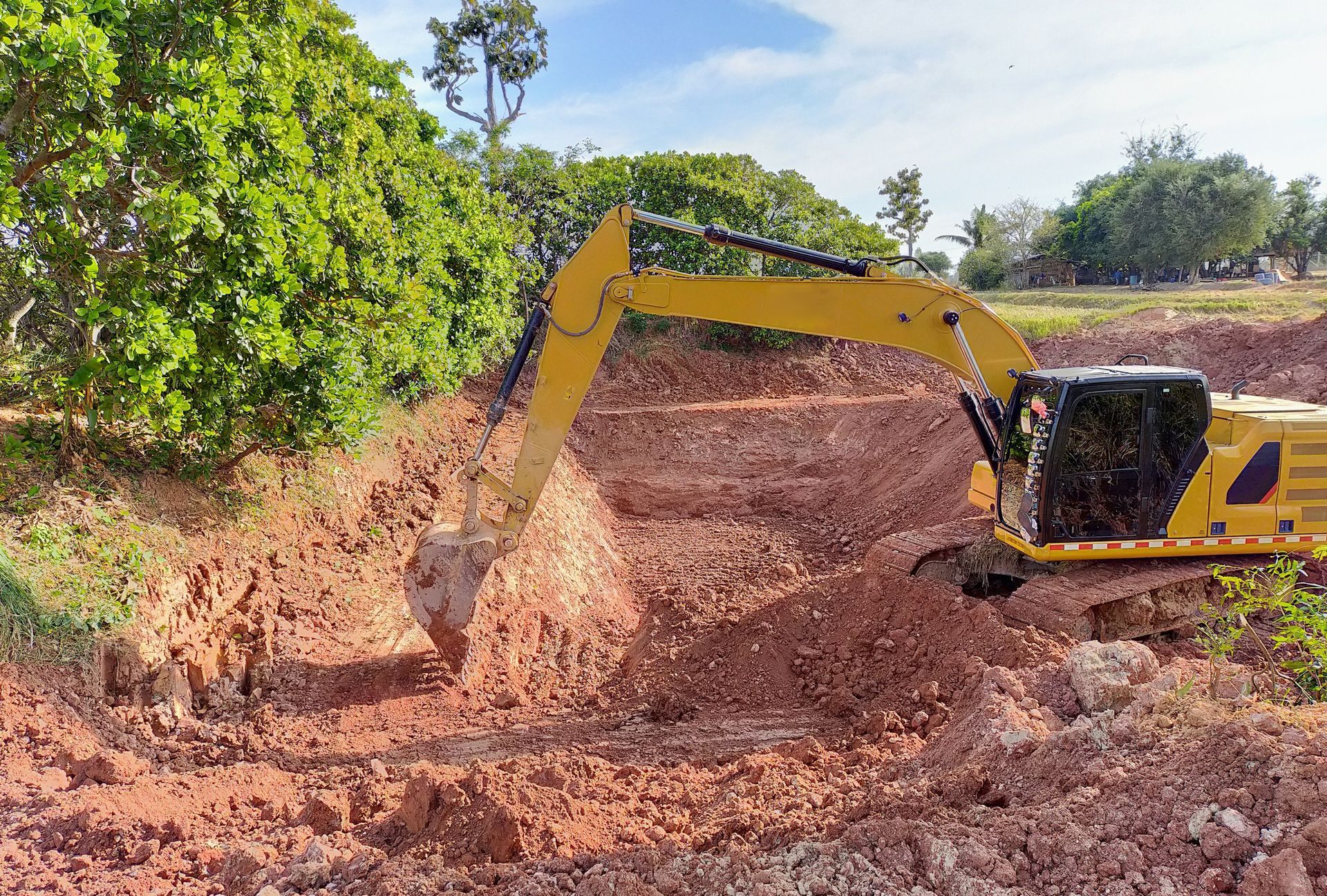
Rural lots and acreage around Duncan and Blanchard often need a level, draining pad before a new home, shop or septic system can be installed, and older homesites frequently have settled or washed out grade that needs to be rebuilt. The existing ground is rarely level or properly sloped, so excavation and grading are required before any foundation or system goes in. HX2 Forestry Mulching & Land Clearing does excavation and dirt work around Waurika, including grading house pads, septic site work and general earthmoving, serving Duncan, Chickasha, Comanche, Lawton, Blanchard, Wichita Falls and Bowie. The owner has an excavation background and runs the dozer and excavator himself, so the work is handled by one crew from start to finish.
The work starts with stripping topsoil and cutting or filling to the planned grade, checking the pad against the design before it is compacted. The owner runs the dozer and excavator on site, and the skid steers handle the finer work around the pad. Material that is not reused can be hauled off with the semi and belly dump, so there is no waiting for a separate hauling contractor.
Schedule an on-site consultation to review the planned grade and receive an estimate based on the existing conditions and the type of pad required.
What Proper Pad Grading Requires Before Compaction
Pad grading involves stripping topsoil, cutting high spots and filling low areas to reach the planned elevation, and shaping the surface to drain away from where the building or system will sit. The grade is checked against the design elevations before compaction, so the finished pad matches the plan and does not hold water or settle unevenly after construction starts.
Once the pad is graded and compacted, the surface is firm enough to support equipment and materials, and runoff drains away from the building footprint without pooling or washing out the fill. The pad is ready for the next trade—whether that is a foundation crew, a septic installer, or a shop builder—without additional grading or stabilization work.
The crew runs two skid steers, a dozer and an excavator on site, with the owner's own background in grading house pads and septic work. The same equipment is used on jobs from single-pad residential sites to multi-pad commercial and agricultural projects.
Questions Before Starting Your Project
Most questions about excavation and dirt work focus on how the pad is graded, what happens to the topsoil, and what the finished site looks like before the next trade arrives. The answers depend on the type of pad and the condition of the existing ground.
What happens to the topsoil that is stripped before grading starts?
Topsoil is stockpiled on site and reused for finish grading around the building or septic system after construction is complete. If there is more topsoil than needed, it can be hauled off or spread in other areas of the property, depending on the scope agreed on during the estimate.
How is the pad elevation set and checked during grading?
The pad elevation is set based on the design grade provided by the builder or engineer, and the crew checks the elevation with a laser level or grade stick as the dozer and excavator cut and fill. The pad is rough graded first, then fine graded with the skid steers before compaction.
What is the difference between rough grading and fine grading on a house pad?
Rough grading removes high spots, fills low areas, and shapes the pad to the general elevation and slope shown on the design. Fine grading smooths the surface, removes ruts and uneven spots, and brings the pad to the exact elevation required for compaction and construction.
Can the crew handle septic site work in addition to grading the house pad?
The owner runs the excavator on septic excavation, trenching for drain lines, and backfilling after the system is installed. The same crew that grades the house pad can handle the septic site work on the same visit, so the entire site is prepared without coordinating between multiple contractors.
How does grading differ on older homesites in Duncan versus new rural lots?
Older homesites often have settled grade, buried debris, or old driveways that need to be removed before the new pad can be graded. New rural lots typically have undisturbed ground that requires less excavation, but the fill material and compaction requirements are the same to prevent settlement after construction starts.
HX2 Forestry Mulching & Land Clearing also performs excavation and dirt work in Duncan, Chickasha, Comanche, Wichita Falls and Lawton. The owner-operated crew brings its own dozer, excavator and skid steers to every site. Call (580) 656-7096 to schedule an on-site consultation and receive an estimate based on your planned grade and existing site conditions.