Surfaces That Drain Away From Structures
Drainage Solutions & Repair in Waurika for rural homesites where runoff collects against foundations and driveway edges
Rural homesites in Waurika and Chickasha often sit on low spots where runoff from open pasture and gravel access roads collects against foundations and driveway edges, and a few years of washout can leave a house pad sloping the wrong way. The ground that was graded level when the house was built now pools water along the foundation after every rain, and the driveway edge has washed out into a gully that grows wider each season. HX2 Forestry Mulching & Land Clearing Oklahoma reworks drainage on rural properties by tracing where water enters and where it should leave, then regrading the surface and cutting channels that guide runoff away from structures.
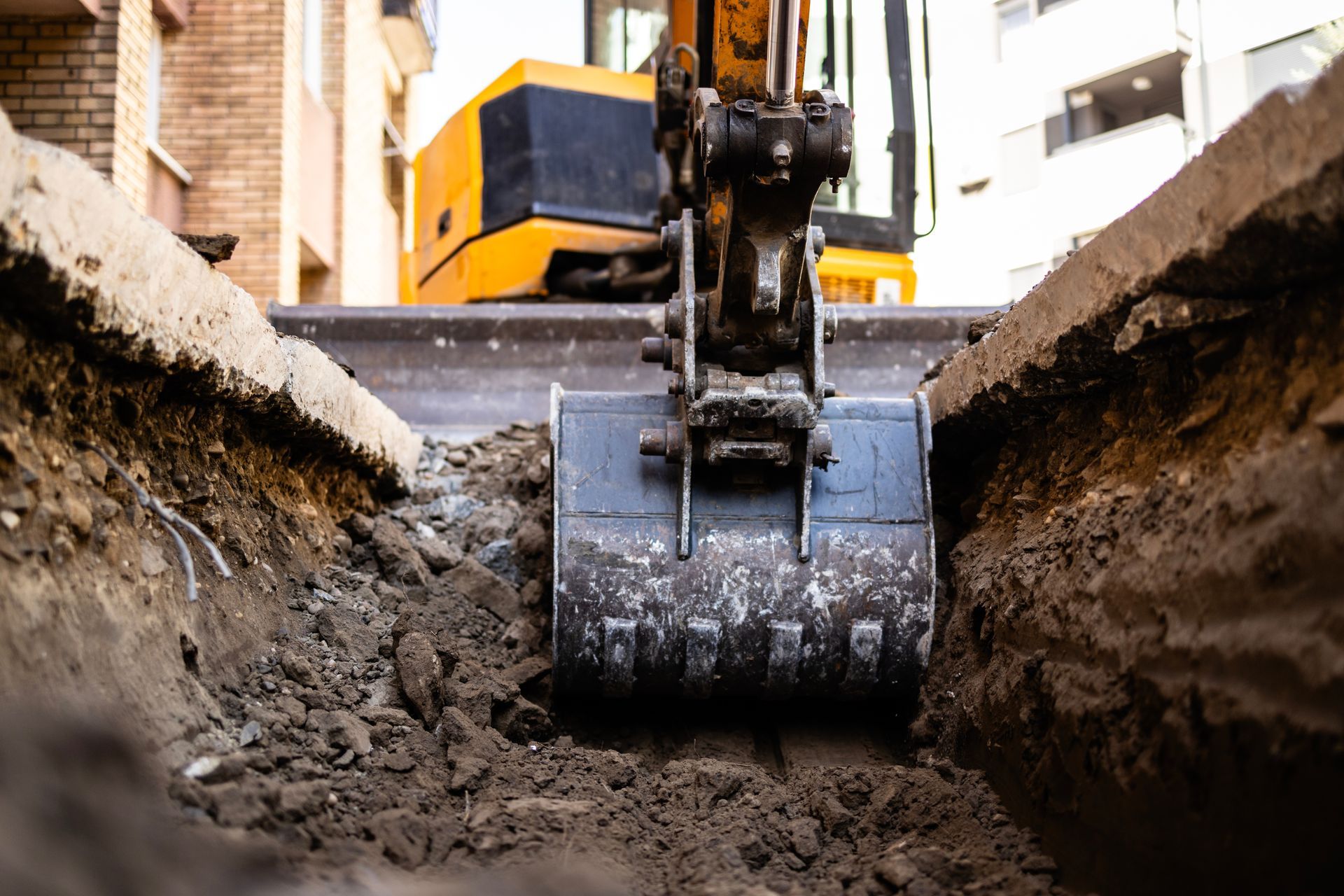
The work starts by walking the property to identify the water path: where it collects, where it flows, and where obstructions or grade reversals trap it against buildings or paving. Swales or channels are cut to carry runoff to a safe outlet, and the ground surface is regraded with a dozer or excavator so it falls away from the foundation rather than toward it. Culverts are set where a crossing is needed, and material is moved in and compacted to restore positive drainage.
Arrange an on-site consultation so the crew can walk the property with you and trace the actual water path before pricing the work.
What Changes After Drainage Work Is Finished
Fixing drainage on a rural homesite involves moving earth to reverse grade problems and cutting channels that weren't there before. The dozer or excavator recontours the surface so water flows away from the foundation and exits the property through a swale or culvert, and low spots that used to pond after rain now drain within hours. Fill material is hauled in with the crew's semi and compacted in layers where the ground needs to be raised.
HX2 Forestry Mulching & Land Clearing Oklahoma handles the earthwork, the regrading, and the hauling on the same job with one owner-operated crew, so the fix is not split between several contractors. After the surface is regraded and channels are cut, rainwater sheets off the pad and follows the new drainage path away from the house, the foundation stays dry, and driveway edges stop washing out with each storm.
The service includes site evaluation, cutting swales or channels, regrading the surface with dozer or excavator, and setting culverts where crossings are required. Hauling fill and rock is handled with the crew's own semi and belly dump trailer, and the owner's background in grading house pads and septic work informs how the drainage solution is laid out on properties with varied topography.
Common Questions About This Service
Homeowners dealing with persistent water problems around rural structures often ask how the crew identifies the problem and what the work involves.
How do you determine where water is collecting and where it should go?
The crew walks the property during or shortly after rain to see where runoff enters, where it ponds, and where natural or man-made obstructions block its exit, then maps a drainage path that moves water away from structures and toward a safe outlet such as a ditch or pasture swale.
What is a swale and how does it work?
A swale is a shallow, graded channel that carries runoff along a controlled path without eroding, shaped with a dozer or excavator to a width and depth that handles typical storm flow for rural properties in this area, and it's planted or armored to prevent the channel from washing out over time.
Why does water collect against foundations on rural homesites in Waurika?
Many older pads were graded level when built but have settled or eroded unevenly over years of storm runoff from surrounding pasture, and gravel access roads concentrate flow toward the homesite instead of dispersing it, reversing the original drainage pattern.
What happens to the existing surface when drainage is regraded?
The dozer or excavator removes material from high spots and fills low areas, reshaping the pad so it slopes away from the foundation at a consistent grade, and the surface is compacted after fill is added to prevent settling that would recreate the ponding problem.
What will you notice once the drainage work is complete?
Rainwater flows away from the foundation instead of pooling along the walls, the yard or driveway drains within hours instead of holding standing water for days, and the swale or channel carries runoff to its outlet without eroding or washing new gullies into the landscape.
HX2 Forestry Mulching & Land Clearing Oklahoma also repairs drainage on rural properties in Duncan, Chickasha, Comanche, Wichita Falls, and Lawton. The crew runs its own dozer, excavator, skid steers, semi, and belly dump trailer, allowing one team to handle site evaluation, earthwork, hauling, and finish grading without coordinating separate contractors.